Tuesday, 2 August 2011

July garden tour

Having ceased our monthly meetings, the Gorge Tillicum Urban Farmers enjoy checking out one another's gardens over the summer. The July garden tour happened just over a week ago, on a particularly warm sunny Sunday. We started off at Peg and Tom's immaculate garden


where the tomatoes were doing exceptionally well


the garlic was recently harvested


and the blueberries were ramping up for a generous crop.


Camomile grows readily


and bees were having a field day in the thyme


Some Welsh onions ready for harvest gave us an impromptu lesson in seed saving.


On to Lorrie & Philip's lush garden


where there was lots to look at for flower lovers


and vegetable growers alike


GTUF is fortunate to have a professional agrologist among its membership, and Kendell did us proud, answering questions large and small.


Happy ecosystem.


And then to Kate's where there was more happy ecosystem:


and potatoes in place of a hedge


and cabbages, pears and asparagus;


a nicely sheltered espaliered peach tree,


a cold frame for the basil


and plenty of flowers.

Tuesday, 19 July 2011

My Year of the Cabbage Moth

If the cabbage moth


doesn't have a place in the Chinese calendar, perhaps it should this year. Or at least a month in someone's calendar. Or maybe two months. It's been a big pain in my garden since about mid-June.

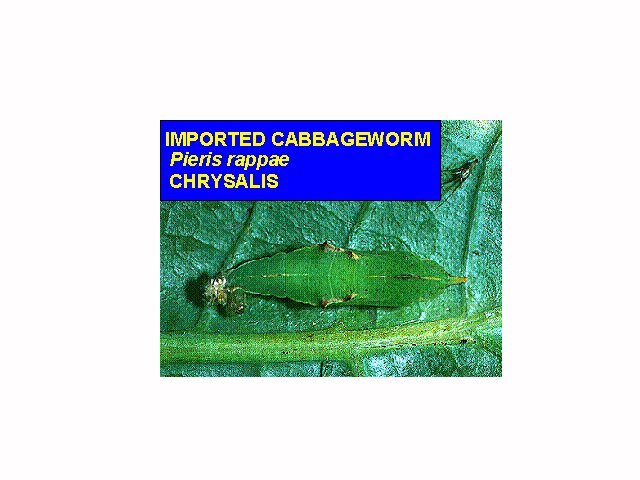
Ok so I'm told it's not a moth, it's a butterfly, (Pieris rapae) that was accidentally imported to Canada from Europe, but that doesn't endear it to me in any way.

It's white and fluttery with black-tipped wings and a telltale black spot on the upper part of the forewing. It flaps about my garden on a sunny day looking like a scrap of tissue and alights to lay its evil eggs which are tiny and which, I have lately discovered- through bitter experience - they also like to lay on juvenile radish leaves:


and, I learn to my horror, any other cruciferous plant - which includes wallflower, alyssum, or plants of the turnip, cress or mustard variety. In only a few (3-7) days their hungry little worms eat and grow and grow and eat until they pupate and start the cycle all over again, repeating at about monthly intervals throughout the summer. Heat and rain are their enemies, and so is diatomaceous earth (good luck shaking that onto a leaf in windy Victoria), Btk (Bacillus thuringiensis) and Neem oil. And me, of course.

After I finish celebrating the Year of the Cabbage Moth, I'll carry on with Year of the Slug and Year of the Bird. Check out this poor strawberry:

Friday, 1 July 2011

What's eating what

It's a late summer here, so I consider this the end of spring, and there are a lot of springtime shenanigans happening in the garden.

Number one enemy is waffling between slugs and cabbage moths. My attempts to get on top of the slug problem - by setting nifty little beer traps for them in old drinks cups - are foiled by an unknown midnight visitor (raccoon seems to be the candidate of choice) who gets downright cranky if it can't get the lids off. Great, a furred vandal with a drinking problem. As if I don't have enough problems in the plague garden.


The cabbage moths are about to drive me to near-chemical control methods. They have denuded my defenseless broccoli


with their evil eggs


which hatch into evil, hungry worms


which get large on my brassicas


and leave evidence of their digestive successes. The moderately good news is that it's highly nutritious for what's left of the plants.


The options of choice for dealing with this monster are: yellow sticky traps for the moths, and Btk for the offspring. As I saw a moth fluttering around this morning, so shall it be.

Also destined for yellow sticky traps are the evil leafminer flies who lay their evil eggs which hatch into evil offspring who tunnel between the layers of leaves - of spinach, chard, beets, sorrel...


(note worm-like shape eating its way downwards in bottom right: this is why you might not want to eat mined leaves) you name it; even beans this year.


Because they are within the leaves you can't do much except take the leaves off and drown the occupants in your slug bucket. But the yellow sticky traps (and/or neem oil) are said to be all you can do about the adults. The other advice - cover seedlings with row cover - is not an option at this stage of my plants' lives. And what an ugly garden that creates anyway, shrouded in reemay.

Slugs have been busy procreating in my garden:


Last night's hunt yielded a total of 61 babes from one half-wine-barrel planter. Now deceased. 61 fewer appetites to skeletonize my hapless plants.


It's a bad year for beans in my garden; those that have not been eaten alive are developing some nasty ailment that might be rust


- very bad news if it is. Not so bad if it afflicts, as it does, my garlic


as it won't affect the bulb. But with beans, it discolours and stunts the pods, apparently. Can't wait to find out. My fellow gardeners shake their heads and tut about beans, and most other things, saying "it's just too cold this year". I may have to give up on that bed and try to plant something else for a winter garden. Hmm. What doesn't mind being overshadowed by a giant pea trellis in an already dark garden?


There are successes to report. I've managed to stay on top of the aphids this year


and the parasitic wasps are getting the tent caterpillars under control.


Tomatoes have not yet expired from lack of sun, and a few are even setting fruit


while the volunteer potatoes are happy enough to be in sore need of hilling up


So far the aphids are not getting the better of the favas, as they did last year


and the blueberries are abundant. Soon I will cage them in hopes of foiling the birds.


The apple crop is looking awesome


and the fennel is surviving, and so is the garden supervisor.

Thursday, 9 June 2011

Something in my soffit

My first Youtube video shows the wasp eggs ready to hatch, the larvae wriggling in situ.


It was at this point I decided it was time to take the nest down, which I did last night. I wore heavy gloves (ok, and a bee veil, a headlamp, protective glasses, heavy jeans, a heavy jacket, rubber boots) and started by putting a plastic bag around the nest, holding it in place at the point it joined the soffit. Immediately the queen emerged, mad as anything, and proceeded to bat her way around the bag, while I slipped the nest free with a spatula. I clipped the bag shut and popped it into the freezer.

Sad that I couldn't watch the construction a little longer, as it was in a perfect position for observation, but there's no reasoning with a wasp.


While I was at it I thought I'd better take the hornet nest down as well, since those eggs must also be getting close to hatching. I used the same procedure as with the wasp nest, and have a new appreciation for the expression "mad as a hornet". But better to have to cope with a 3 inch long nest with one angry queen than.. well, more than that.

My bee expert tells me that these hornets hunt wasps, and for that reason, the popular fake nests you hang to keep wasps away are modelled on the (bigger, rounder, longer) nest of this one, Dolichovespula maculata.